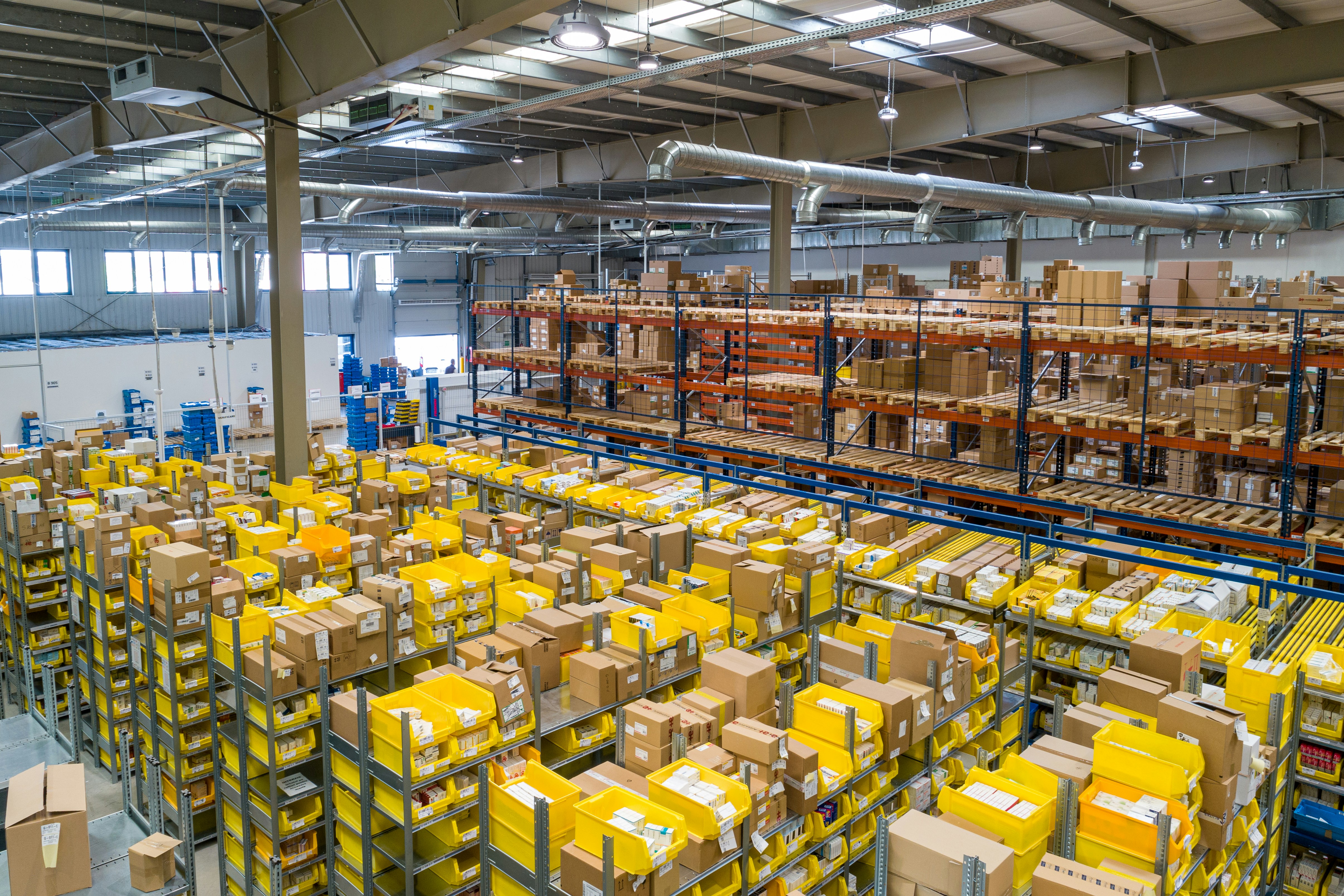
The logistics industry is experiencing unprecedented transformation as we approach 2025. From artificial intelligence to sustainable shipping solutions, emerging technologies are reshaping how goods move across the globe.
The global logistics market continues to evolve at a rapid pace, driven by technological innovations, changing consumer expectations, and environmental concerns. As we look toward 2025, several key trends are emerging that will fundamentally reshape the industry landscape.
Artificial Intelligence and Machine Learning
AI and ML technologies are revolutionizing logistics operations by enabling predictive analytics, route optimization, and automated decision-making. Companies are leveraging these technologies to:
- Predict demand patterns with greater accuracy
- Optimize delivery routes in real-time
- Automate warehouse operations
- Enhance supply chain visibility
"The integration of AI in logistics is not just about efficiency—it's about creating intelligent supply chains that can adapt and respond to changing market conditions in real-time."
Sustainable Logistics Solutions
Environmental sustainability has become a critical focus for logistics companies worldwide. The push toward carbon-neutral operations is driving innovation in:
- Electric and hybrid delivery vehicles
- Alternative fuel technologies
- Green packaging solutions
- Carbon offset programs
Companies that embrace sustainable practices are not only reducing their environmental impact but also meeting the growing demand from consumers and businesses for eco-friendly logistics solutions.
Digital Transformation and IoT
The Internet of Things (IoT) is creating unprecedented visibility across the supply chain. Smart sensors and connected devices are enabling:
- Real-time cargo tracking and monitoring
- Temperature and humidity control for sensitive goods
- Predictive maintenance for vehicles and equipment
- Enhanced security and theft prevention
This level of connectivity is transforming logistics from a reactive to a proactive industry, where potential issues can be identified and addressed before they impact operations.
Last-Mile Delivery Innovation
The final mile of delivery continues to be the most challenging and expensive part of the logistics chain. Innovative solutions emerging include:
- Autonomous delivery vehicles and drones
- Smart lockers and pickup points
- Crowdsourced delivery networks
- Micro-fulfillment centers
These innovations are helping companies reduce costs while improving delivery speed and customer satisfaction.
Conclusion
As we move toward 2025, the logistics industry will continue to evolve rapidly. Companies that embrace these emerging trends and invest in new technologies will be best positioned to thrive in the competitive global marketplace. The future of logistics is not just about moving goods—it's about creating intelligent, sustainable, and customer-centric supply chains that can adapt to an ever-changing world.